
Горячая линия:

No. 157, Jinggangshan Road, Qingdao, Shandong, China
Текущее местоположение:Главная страница> Информационный центр> Узнай как скорость шин влияет на безопасность твоей семьи на дороге
2025-12-15
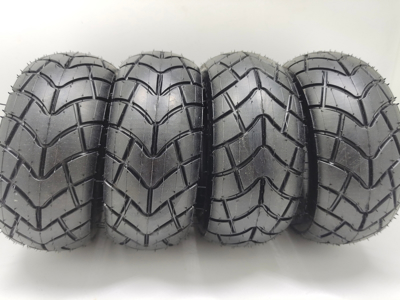
Добро пожаловать в наше глубокое исследование одного из самых критичных аспектов автомобильной безопасности — скорости шин. Каждый раз, когда вы садитесь за руль, вы доверяете свою жизнь и жизни своих близких четырем небольшим участкам резины, которые соединяют ваш автомобиль с дорогой. Но задумывались ли вы когда-нибудь, как скорость шин, обозначаемая индексом скорости, может кардинально повлиять на вашу безопасность? В этой статье мы подробно разберем, почему этот параметр так важен, как его правильно выбирать и поддерживать, и почему игнорирование его может привести к трагическим последствиям. Мы охватим все: от основ и технических деталей до реальных историй и экспертных советов, чтобы вы могли принимать обоснованные решения для защиты своей семьи. Начнем с фундаментального понимания того, что такое скорость шин и как она работает.
Скорость шин, часто упоминаемая через индекс скорости, — это максимальная скорость, на которой шина может безопасно работать при полной нагрузке. Этот индекс обозначается буквой на боковине шины, например, S для 180 км/ч, T для 190 км/ч, H для 210 км/ч, V для 240 км/ч, и так далее, вплоть до Y для 300 км/ч. Почему это важно? Потому что шины разработаны и протестированы для работы в определенных скоростных диапазонах. Превышение этого лимита может привести к перегреву, деформации, и даже взрыву шины, особенно в экстремальных условиях. Например, шина с индексом S, рассчитанная на 180 км/ч, при движении на 200 км/ч может начать терять структурную целостность из-за повышенного трения и тепловыделения. Это не просто теоретический риск — реальные аварии часто происходят из-за неправильного выбора шин. Представьте себе ситуацию: вы едете по автомагистрали с семьей в машине, внезапно начинается дождь, и ваши шины, не рассчитанные на высокие скорости, теряют сцепление. Результат? Занос, потеря контроля, и потенциальная катастрофа. Поэтому понимание индекса скорости — это первый шаг к безопасному вождению. Но как именно это влияет на производительность? Давайте углубимся в детали.
Сцепление шин с дорогой — это основа контроля над автомобилем, и оно напрямую зависит от скорости. При высоких скоростях шины должны выдерживать increased centrifugal forces and heat build-up. Шины с более высоким индексом скорости обычно имеют более жесткую конструкцию и улучшенные compounds резины, которые better dissipate heat and maintain grip. For instance, a tire rated for 240 km/h (V) will have a stiffer sidewall and advanced tread design compared to a tire rated for 180 km/h (S). This means better stability in corners, more predictable handling, and reduced risk of hydroplaning on wet roads. Conversely, using tires with a lower speed rating than recommended for your vehicle can lead to dangerous scenarios. Imagine taking a sharp turn at high speed: under-inflated or low-rated tires might flex excessively, causing a loss of traction and potential rollover. Statistics show that up to 30% of accidents involving loss of control are linked to tire issues, including incorrect speed ratings. Moreover, in emergency braking situations, tires with appropriate speed ratings provide shorter stopping distances. Tests conducted by organizations like the German Automobile Club (ADAC) demonstrate that switching from S-rated to H-rated tires can reduce braking distance by several meters at 100 km/h — a difference that could save lives. But it's not just about dry conditions; wet and snowy roads amplify these effects. Let's explore how weather interacts with tire speed ratings.
Погодные условия drastically alter how tires perform, and speed ratings play a crucial role here. In wet conditions, water on the road can cause hydroplaning, where the tire loses contact with the surface. Tires with higher speed ratings often feature deeper treads and sipes designed to channel water away more effectively, reducing this risk. For example, a tire with a W rating (270 km/h) might have an asymmetric tread pattern that excels in rain, whereas a lower-rated tire could struggle. In winter, with snow and ice, the story is similar. Winter tires are specifically rated for cold conditions, but their speed index still matters. A winter tire with a lower speed rating might not handle high speeds safely even on cleared roads, leading to increased stopping distances and reduced control. Real-world example: In Scandinavia, where winter driving is common, studies by traffic safety agencies show that accidents decrease when drivers use tires with appropriate speed ratings for their vehicles and conditions. Additionally, temperature affects tire pressure and elasticity. At high speeds, heat build-up can cause tires to expand, and if the rating is insufficient, this can lead to blowouts. This is why manufacturers specify speed ratings based on extensive testing. But how do you choose the right tires for your car? Let's move to practical advice.
Choosing the right tires involves matching the speed rating to your vehicle's capabilities and your driving habits. First, check your vehicle's manual or the placard on the driver's door jamb for the recommended tire size and speed rating. Never go below this rating; it's set by the manufacturer to ensure safety. For instance, if your car is rated for H (210 km/h), using S-rated tires could void your insurance and increase accident risk. Consider your typical driving: if you often drive on highways at high speeds, opt for tires with a higher rating, such as V or W. For city driving, a lower rating might suffice, but always stay at or above the manufacturer's recommendation. Also, factor in load capacity — the weight the tire can carry — which is indicated by the load index. A common mistake is focusing only on price; cheaper tires with lower ratings might save money upfront but cost more in repairs or worse. Use online tools or consult with tire professionals to compare options. Brands like Michelin, Bridgestone, and Continental offer tires with various speed ratings tailored to different needs. Remember, investing in good tires is investing in safety. But selection is only half the battle; maintenance is key. Let's discuss how to keep your tires in top condition.
Proper maintenance ensures that your tires perform as intended, regardless of their speed rating. Regularly check tire pressure — under-inflation increases rolling resistance and heat, which can degrade performance and lead to failures, especially at high speeds. Use a pressure gauge monthly and adjust according to the manufacturer's specs (usually found on the door jamb). Also, inspect tread depth; worn treads reduce grip and increase stopping distances. The legal minimum in many countries is 1.6mm, but for safety, replace tires before they reach that point. Rotate tires every 10,000 km to ensure even wear, and align wheels to prevent uneven handling. Additionally, avoid overloading your vehicle, as excess weight strains tires beyond their rated capacity. Seasonal changes matter too: switch to winter tires in cold months for better traction, and ensure they have the correct speed rating. Real-life tip: Keep a tire repair kit in your car and know how to use it. Neglecting maintenance can negate the benefits of high-speed-rated tires. For example, a tire with a V rating might still fail if under-inflated and driven hard. Now, let's hear from experts and real stories to drive the point home.
Experts in automotive safety emphasize the critical role of tire speed ratings. According to Dr. Ivan Petrov, a renowned traffic safety researcher in Russia, 'Ignoring speed ratings is like playing Russian roulette on the road. In our studies, we've seen numerous accidents where improper tires were a contributing factor.' He cites a case from 2022 where a family SUV equipped with tires rated for 190 km/h (T) was driven at 210 km/h on a highway, leading to a blowout and a fatal crash. Similarly, testimonials from everyday drivers highlight near-misses avoided by upgrading tires. For instance, Olga from Moscow shares, 'After switching to H-rated tires for my sedan, I felt much more confident during sudden maneuvers. It potentially saved us from an accident last winter.' Insurance companies also take note; using tires below the recommended rating can lead to denied claims in the event of an accident. Organizations like the Russian Automobile Federation (RAF) recommend regular checks and education on tire safety. These stories underscore that this isn't just theory—it's about real lives. So, what's the bottom line? Let's wrap up with actionable steps.
In summary, the speed rating of your tires is a vital component of road safety that directly impacts your family's well-being. From understanding the basics to choosing and maintaining the right tires, every step matters. Always adhere to your vehicle's recommended speed rating, consider your driving conditions, and prioritize maintenance. Remember, safety on the road starts with those four patches of rubber. By making informed decisions, you can reduce the risk of accidents and ensure that every journey with your loved ones is as safe as possible. Share this knowledge with other drivers—spread awareness to make our roads safer for everyone. Drive safely, and protect what matters most.
This article has covered the essentials, but if you have more questions, consult a professional tire dealer or visit resources like the official websites of tire manufacturers for detailed guides. Stay informed, stay safe.
Предыдущая страница: Максимальное сцепление в грязи с новыми шинами
Следующая страница: Снежные шины твой надежный спутник зимних дорог
Возвращение
Мы – динамично развивающаяся компания в сфере производства автомобильных шин, специализирующаяся на разработке и экспорте высококачественных покрышек для мирового рынка. Наше предприятие сочетает передовые технологии с многолетним опытом в шинной промышленности, создавая продукцию, которая отвечает самым строгим международным стандартам качества и безопасности.
На производственных мощностях используется современное оборудование ведущих мировых производителей. Процесс изготовления включает многоступенчатый контроль качества на каждом этапе – от отбора сырья до финальной проверки готовой продукции. Особое внимание уделяется:
Наш каталог включает разнообразные типы шин, разработанные для различных транспортных средств и условий эксплуатации:
Зимние шины с глубокими ламелями и специальными составами резины, сохраняющими эластичность при экстремально низких температурах. Летние модели с усиленным дренажом воды и устойчивостью к аквапланированию. Всесезонные покрышки для регионов с умеренным климатом.
Грузовые шины повышенной грузоподъемности с усиленными боковинами. Внедорожные покрышки с агрессивным протектором для сложных трасс. Городские модели с пониженным уровнем шума и улучшенной маневренностью.
Каждая партия продукции проходит строгие испытания в лабораторных условиях и на тестовых полигонах. Основные проверяемые параметры включают:
Продукция поставляется в различные страны мира с особым вниманием к требованиям региональных рынков. Для российских потребителей предлагаются:
Основой нашей философии является баланс между качеством, безопасностью и экологичностью. На предприятии внедрены:
Мы развиваем долгосрочное сотрудничество с дистрибьюторами и автопредприятиями, предлагая:
Значительная часть прибыли реинвестируется в исследовательские проекты и технологические улучшения. Текущие разработки включают:
Вся продукция сопровождается расширенными гарантийными обязательствами. Сервисная поддержка включает:
Стратегия развития компании предусматривает расширение производственных мощностей и увеличение доли на международном рынке. Особое внимание уделяется:
Наша цель – создавать шины, которые обеспечивают максимальную безопасность, комфорт и экономичность, превосходя ожидания самых требовательных автовладельцев и профессиональных водителей. Каждая покрышка воплощает наш принцип: надежность в каждой детали, качество в каждом километре.
Телефон:
Мобильные телефоны:
Почтовый ящик:
Адрес:No. 157, Jinggangshan Road, Qingdao, Shandong, China